
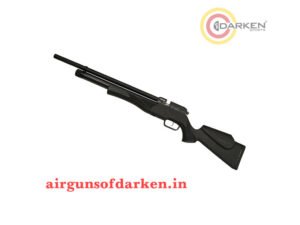
Every air rifle owner eventually runs into two numbers that seem to shape everything about their shooting experience. Velocity and FPS sit at the heart of how a rifle behaves, how far it can shoot, and how accurately it lands a pellet on target. Yet for many people buying their first or second air rifle in India, these figures remain confusing marketing terms rather than practical tools. Understanding what velocity really means, how FPS is measured, and how both relate to pellet weight and accuracy will make you a smarter buyer and a far more capable shooter.
What Air Rifle Velocity Actually Means
Velocity is simply the speed at which a pellet travels once it leaves the muzzle of your rifle. It is almost always expressed in feet per second, shortened to FPS, although some regions use metres per second instead. When a manufacturer advertises a rifle capable of 1000 FPS, they are telling you the maximum speed a pellet reaches under specific conditions. That single figure influences trajectory, downrange energy, noise, and the way your pellet groups on paper.
It helps to think of velocity as one ingredient in a larger recipe when you choose an air rifle rather than the whole meal. A high number looks impressive on a box, but raw speed alone does not guarantee a satisfying shooting session. The way that speed interacts with pellet weight, barrel quality, and your own technique matters far more than the headline figure printed on the packaging.
How FPS Is Measured and Why It Varies
FPS is measured with a chronograph, a device that records how fast a pellet passes between two sensors placed a short distance apart. The reading you get depends heavily on the ammunition used during testing. Manufacturers typically publish their highest numbers using very light pellets, because lighter projectiles accelerate faster down the barrel. When you load a heavier, more accurate pellet, your real world velocity will drop, sometimes considerably.
This is why two shooters with identical rifles can report very different FPS readings. Temperature, altitude, the freshness of a spring or the fill pressure in a PCP rifle tank, and even the seating depth of a pellet all shift the result. Rather than chasing the biggest possible number, experienced shooters look for consistent velocity across many shots, because consistency is what produces tight groups downrange.
If you ever get the chance to run your own rifle over a chronograph, take it. Watching how the numbers move as you change pellets or, in a spring rifle, as the mechanism beds in, teaches you more about your rifle than any spec sheet ever could. The pattern of readings, rather than a single peak figure, tells you whether your setup is stable and ready for serious shooting.
The Relationship Between Velocity and Pellet Weight
Pellet weight and velocity share an inverse relationship. Push a light pellet and it flies fast but sheds energy quickly and gets pushed around by wind. Load a heavier pellet and velocity drops, yet that pellet often carries its energy further and cuts through breezes with more authority. The goal is to find the sweet spot where your particular rifle delivers both stable speed and reliable accuracy.
Many beginners assume the fastest setup is always best, but supersonic pellets can actually become less accurate. When a pellet crosses the sound barrier and then slows back through it during flight, the transition can destabilise it and open up your groups. For this reason, plenty of skilled shooters deliberately choose a pellet that keeps velocity comfortably below the speed of sound, trading a little raw speed for noticeably better precision.
There is also a comfort factor to consider. A pellet held just below the sound barrier tends to be quieter and produces a gentler report, which makes for a more pleasant shooting session and less disturbance to those nearby. Many shooters find that this moderate velocity band gives them the best all round experience, combining good accuracy with a calm, controllable shot.
How Velocity Affects Trajectory and Range
Higher velocity flattens the arc a pellet travels, which means less holdover is needed when your target sits at different distances. A flatter trajectory is forgiving because small errors in range estimation translate into smaller misses on target. This is one genuine advantage of a faster setup, and it explains why hunters often value velocity for field work where distances change constantly.
Range, however, is not simply a function of speed. A pellet only remains useful for as long as it carries enough energy and stability to strike where you aim. Beyond a certain point, even a fast pellet loses so much energy that it becomes unpredictable. Learning the practical range of your own rifle, rather than the theoretical maximum printed on a box, is one of the most valuable skills you can develop.
Velocity, Energy, and Downrange Impact
Velocity only tells half the story of what a pellet does when it arrives. Energy, which combines speed with pellet weight, determines how much work a pellet can do on impact. A lighter pellet travelling quickly may match the energy of a heavier pellet moving slowly, yet the two behave quite differently once they reach the target, especially at longer distances.
This is why thinking in terms of retained energy, rather than muzzle velocity alone, gives you a clearer picture of performance. A pellet that holds onto its energy well remains effective further downrange, while a light, fast pellet that sheds energy quickly may lose its edge sooner than the headline speed suggests. Balancing velocity against weight is the key to a setup that performs where it matters.
Velocity and Accuracy Are Not the Same Thing
It is tempting to equate a fast rifle with an accurate one, but the two qualities are separate. Accuracy comes from a quality barrel, a consistent power plant, well matched ammunition, and a shooter who applies the same technique every time. A moderately powered rifle that delivers the same velocity shot after shot will almost always outshoot a powerful rifle that varies wildly between shots.
This is where pairing your rifle with the right optic becomes important. Once you understand your rifle’s velocity and trajectory, a properly zeroed rifle scope, as explained in our beginner guide to air rifle scopes, lets you apply consistent holdover and read distances confidently. Choosing the correct magnification and reticle turns your knowledge of velocity into repeatable hits on target.
Matching Velocity to Your Shooting Purpose
Different activities reward different velocity profiles. For casual target practice and plinking in a backyard or club, moderate velocity with a well balanced pellet keeps things quiet, safe, and easy to control. For competitive paper punching, absolute consistency matters more than speed, so shooters tune their setup for repeatability, much like the ideas covered in our guide to PCP vs Spring vs CO2 air rifles. For field and pest control work, a flatter trajectory and higher retained energy become more important, favouring a slightly faster, heavier pellet combination.
Thinking about your primary purpose before you buy will save you money and frustration. A shooter who mostly wants relaxed target sessions has very different needs from someone heading into open fields, and the ideal velocity for each is not the same. Being honest about how you will actually use the rifle keeps your expectations realistic.
Tuning and Maintaining Consistent Velocity
Once you own a rifle, you can influence its velocity through maintenance and ammunition choice. Keeping the barrel clean, using pellets that fit your bore snugly, and storing the rifle correctly all help preserve stable performance. Owners of spring powered rifles should avoid dry firing, while PCP owners benefit from filling to the pressure that their rifle prefers for its most consistent shot string.
Regular cleaning and care do more than protect your investment. A well maintained barrel and power plant deliver the same velocity today as they did months ago, which keeps your zero true and your groups tight. Small habits, repeated consistently, add up to a rifle you can trust every time you raise it.
It is worth keeping a simple log of your velocity checks and pellet choices as your rifle settles in. Over time this record shows you how your setup behaves across seasons and helps you spot any drift in performance early. A rifle whose velocity you understand deeply is a rifle you can shoot with genuine confidence in any condition.
Making Velocity Work for You
Velocity and FPS are powerful tools once you stop treating them as bragging rights and start treating them as information. Read published figures with a healthy dose of scepticism, test your own rifle with a chronograph if you can, and prioritise consistency over headline speed. Match your pellet weight to your purpose, keep your rifle clean, and pair it with a suitable scope, and you will find that your shooting improves in ways a bigger FPS number alone could never deliver.
Whether you shoot for relaxation, competition, or the field, understanding the numbers behind every shot puts you firmly in control. Browse the full range of air rifles and accessories at Darken Sports to find a setup that matches the velocity and performance you are aiming for.