
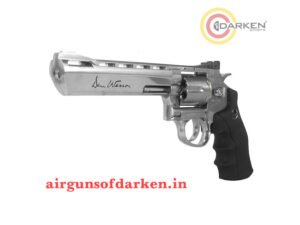
There is something deeply rewarding about being able to practise your shooting whenever the mood strikes, without booking a club slot or driving across town. A well planned home shooting space lets you build skill through regular repetition, and repetition is the single biggest factor in becoming a better shot. That said, setting up a space at home comes with real responsibility. Safety, backstops, distance, and awareness of the people around you all matter enormously, and getting them right protects both your household and your neighbours.
Why a Home Practice Space Is Worth Building
Frequent, low pressure practice is how good habits form. When your equipment is set up and ready, you shoot more often, and every session reinforces your grip, breathing, and trigger control. A home space removes the friction that stops many enthusiasts from practising, turning shooting from an occasional outing into a steady routine that produces visible improvement over weeks and months.
Beyond skill building, a dedicated space encourages disciplined habits. When you own the environment, you set the rules, control the layout, and build safety into every session. That ownership tends to make shooters more careful and more consistent than they might be in a casual, borrowed setting.
A home range is also simply convenient in ways that pay off over time. Short, frequent sessions squeezed into a spare half hour add up to far more trigger time than occasional long trips to a distant range. That steady rhythm of practice, more than any single marathon session, is what quietly transforms a beginner into a confident and capable shooter.
Choosing the Right Location
Location is the foundation of a safe setup. An enclosed indoor room, a long corridor, a garage, or a private section of a garden can all work, provided you have a clear, controlled firing line and a solid area behind your target. The space must be free from through traffic, so nobody can wander into the line of fire, and it should offer enough length for a meaningful shooting distance.
Privacy and boundaries matter just as much as length. Your space should be fully contained within your own property, with no chance of a stray pellet crossing into a neighbour’s area or a public path. If any part of the layout leaves that in doubt, the location is not suitable and should be reconsidered before you fire a single shot.
Lighting and comfort also deserve early thought. A space that is well lit lets you see your sights and target clearly, which improves both safety and accuracy, while poor light encourages squinting and sloppy technique. A comfortable, uncluttered area free of trip hazards keeps your focus on shooting rather than on navigating an awkward environment.
Building a Reliable Backstop
The backstop is the most important safety component in any home range. Its job is to stop every pellet completely and prevent dangerous ricochets. A purpose built pellet trap works well for smaller targets, while a thick layer of dense material such as heavy rubber, layered ballistic putty, or a sand filled box can absorb energy safely behind your targets.
Whatever you build, test it carefully at low power first and inspect it regularly for wear. A backstop that has absorbed hundreds of pellets can degrade over time, so periodic checks keep it dependable. Never rely on a thin board or a soft surface that a pellet could pass through, because the entire safety of your setup rests on this one element.
Consider adding a wider backing behind your main trap as a second layer of protection. A hanging blanket, a sheet of plywood, or a dedicated pellet curtain catches the occasional stray shot that misses the trap and prevents marks on walls. This redundancy costs little and gives real peace of mind, especially while you are still refining your aim.
Setting a Sensible Shooting Distance
Distance shapes both safety and skill development. A common indoor practice distance of around ten metres suits most air pistols and rifles and gives you room to see clear results without demanding a huge space. Longer gardens allow greater distances, which build range estimation and holdover skills, but only extend the distance once your backstop and boundaries remain fully secure.
Mark your firing line clearly and keep it consistent from session to session. A fixed distance lets you track genuine progress, because your groups become directly comparable over time. Understanding how your pellet behaves at that set distance also feeds naturally into learning about trajectory and velocity as your skills mature.
If your space allows, consider building in a couple of alternative distances so you can vary your practice. Shooting the same target at different ranges sharpens your ability to judge holdover and keeps sessions interesting. Just make sure every firing position you use still lines up safely with your backstop before you take a shot from it.
Essential Safety Equipment and Rules
Eye protection is non negotiable, and everyone in the space should wear impact rated glasses whenever a gun is loaded. Keep the muzzle pointed downrange at all times, load only when you are ready to shoot, and always treat every gun as if it is ready to fire. These habits, echoed in our shooting tips for beginners, should be automatic long before you consider your setup complete.
Post a simple set of rules on the wall and enforce them without exception. Establish a clear command for ceasing fire, keep ammunition stored separately when not in use, and never allow distractions such as phones during a live session. Consistent rules turn safety from an afterthought into second nature for everyone who uses the space.
Storing Your Gun and Ammunition Safely
Safe storage is part of a responsible home setup, not an afterthought. When you finish shooting, guns should be unloaded and kept securely out of reach of children and anyone who should not handle them. A lockable cabinet or case keeps everything organised and reinforces the habit of treating your equipment with respect.
Store ammunition separately from your guns and keep it dry and clearly labelled. This separation adds a layer of safety and helps your pellets stay in good condition, since damp or damaged ammunition can affect both accuracy and reliability. A tidy storage routine also makes each session quicker to set up and pack away.
Choosing Suitable Guns and Ammunition
Your choice of gun and ammunition should match the space you have built. A moderate powered air rifle or a well made air pistol is ideal for indoor and short garden ranges, giving you controllable performance without overwhelming your backstop. Pair the gun with pellets that suit your barrel, since the right ammunition improves both accuracy and safety by producing predictable flight.
Match your equipment to your goals as well as your space. If you enjoy precise target work, a quality rifle and matched pellets reward careful technique. If you prefer relaxed plinking, a comfortable pistol keeps sessions fun. Either way, choosing the correct calibre and gun for the environment keeps every shot safe and satisfying.
Indoor and short range spaces generally suit lower to moderate power levels, which are easier to contain and gentler on your backstop. Reserve higher powered setups for longer, fully secured outdoor ranges where you have ample distance and a robust pellet trap. Being realistic about what your space can safely handle is a mark of a thoughtful, responsible shooter.
Targets and Adding a Scope for Precision
Good targets make practice measurable and enjoyable. Paper targets let you study your groups in detail, while reactive knockdown targets add instant feedback and a sense of fun. Rotating between the two keeps sessions engaging and helps you develop both precision and speed as your confidence grows.
As your accuracy improves, adding a rifle scope can sharpen your results further, especially at the longer end of a garden range. A properly zeroed optic removes guesswork from aiming and lets you focus purely on technique. Even in a modest home setup, the right scope, as our beginner guide to air rifle scopes explains, can transform how tightly you group and how quickly you improve.
Practising Responsibly at Home
A home shooting range is a privilege that depends entirely on the care you bring to it. Build a solid backstop, contain the space within your own property, wear eye protection, and enforce firm safety rules every single time. Do these things well and you gain a private space to sharpen your shooting whenever you like, safely and responsibly.
Reviewing your setup from time to time keeps it safe as your skills and equipment evolve. Inspect your backstop, refresh your posted rules, and adjust your distances as you improve, treating the range as something you maintain rather than build once and forget. This ongoing care is what turns a simple home space into a genuinely reliable place to practise for years.
Approach the project thoughtfully and your home range will reward you with steady improvement and countless enjoyable sessions. Explore the range of air rifles, air pistols, pellets, and accessories at Darken Sports to equip a safe and effective home shooting setup that fits your space and your goals.