
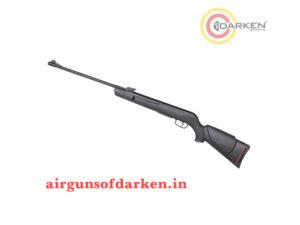
For many outdoor enthusiasts in India, the appeal of air rifle hunting lies in its blend of skill, patience, and quiet fieldcraft. Unlike loud firearms, an air rifle rewards stealth and precision, demanding that you understand your quarry, your equipment, and your surroundings in equal measure. For a beginner, the learning curve can feel steep, but breaking the sport down into its core elements makes it approachable. This guide walks through the fundamentals every newcomer should master before heading into the field.
Understanding Responsible Hunting
Before anything else, responsible hunting means knowing and respecting the law. Regulations around air guns, permitted quarry, land access, and seasons vary and must always be followed. Hunting is only ethical when it is legal, humane, and carried out on land where you have clear permission. Taking the time to understand your obligations is the first mark of a serious and respectful hunter.
Ethics extend beyond the rulebook. A responsible hunter takes only shots they are confident will be clean and effective, avoids unnecessary risk, and treats the countryside and its wildlife with genuine care. This mindset separates thoughtful hunters from careless ones and should guide every decision you make in the field.
It is also worth remembering that the reputation of the whole hunting community rests on the behaviour of individuals. Leaving no litter, closing gates, respecting livestock, and being courteous to landowners all help preserve access for future hunters. Small acts of consideration build the trust that keeps doors open, and that trust is far harder to rebuild than it is to maintain.
Choosing the Right Air Rifle
Your air rifle is the heart of your setup, and choosing well makes everything that follows easier. Beginners benefit from a rifle that balances manageable power with reliable accuracy rather than chasing the highest possible output. A well built rifle that you can shoot consistently will always serve you better than a powerful one you struggle to control.
Consider how and where you plan to hunt when selecting a platform. A lighter, easy handling rifle suits mobile stalking through varied terrain, while a heavier, steadier rifle favours patient shooting from a fixed position. Matching the rifle to your style keeps you comfortable during long sessions and steadier when the moment to shoot arrives.
Reliability should sit near the top of your priorities too. A rifle that behaves the same way in cold mornings and warm afternoons lets you trust your zero and your point of aim without second guessing. Beginners are often tempted by flashy features, but a dependable, well made rifle that holds its accuracy over hundreds of shots will teach you far more and frustrate you far less.
Selecting the Correct Calibre and Pellets
Your calibre choice has a direct effect on your effectiveness in the field. Heavier pellets tend to carry more energy and resist wind better, which many hunters value for delivering clean, humane results. Lighter, faster options offer a flatter path but shed energy more quickly, so field shooters often lean toward the added authority of a heavier pellet.
Once you settle on a calibre, invest time in finding the pellet your rifle shoots best. Barrels can be fussy, and the difference between a mediocre pellet and an ideal one shows up clearly on target. Testing several options and sticking with the most accurate and consistent choice is one of the simplest ways to improve your results afield.
Keep a small notebook or a note on your phone recording which pellets group best at which distances. This simple habit removes guesswork and helps you build a clear picture of your rifle over time. When you eventually settle on a favourite, buy in enough quantity to keep your zero consistent, since switching brands or batches can shift your point of impact just enough to matter in the field.
The Importance of a Good Scope
Accurate hunting depends on seeing your target clearly and aiming with confidence, which makes a quality rifle scope essential. A good optic gathers light in dim conditions, offers a clear reticle for precise aiming, and holds its zero shot after shot. For field work where light and distance constantly change, these qualities matter enormously.
Learning to read distance and apply the correct holdover is a skill that a well matched scope, chosen with help from our beginner guide to air rifle scopes, makes far easier. As your understanding of trajectory and velocity grows, you will place shots more confidently at varying ranges. Pairing the right optic with steady technique turns a capable rifle into a genuinely effective hunting tool.
Building Accuracy and Fieldcraft
No amount of equipment replaces skill, and skill comes from disciplined practice. Regular sessions, guided by our shooting tips for beginners, on paper and reactive targets build the muscle memory that lets you shoot instinctively under pressure. Practising from field positions such as kneeling, sitting, and using natural rests prepares you for the awkward angles real hunting inevitably presents.
Fieldcraft is the quieter half of the sport. Moving slowly, reading the wind, using cover, and staying patient often matter more than raw marksmanship. A hunter who understands the habits of their quarry and approaches with stealth will find far more opportunities than one who relies on equipment alone.
Learning to Read Weather and Wind
Weather shapes every outing in ways beginners often underestimate. Wind pushes a light pellet off course, drizzle affects visibility and your grip, and bright glare can wash out your sight picture at exactly the wrong moment. Learning to judge conditions before you commit to a shot is a skill that separates consistent hunters from those who blame bad luck.
Wind in particular deserves close study. Watching how grass, leaves, and branches move gives you a running read on strength and direction, letting you time your shots for lulls and adjust your aim when a breeze is unavoidable. Over many outings this awareness becomes instinctive, and you begin to feel the conditions rather than consciously calculate them.
Range Estimation and Shot Placement
Air rifles have a limited effective range, so knowing your true distance is critical. Misjudging range by even a few metres can turn a confident shot into a miss, because pellets drop steadily as distance grows. Practising range estimation until it becomes second nature is one of the most valuable habits a beginner can develop.
Shot placement is equally vital and is where ethics and skill meet. A humane hunter waits for a clear, well presented target and passes on shots that are marginal or rushed. Patience here is not a weakness but the hallmark of someone who respects both the sport and the animal, and it defines a hunter worth admiring.
Developing the discipline to pass on a poor opportunity is one of the hardest lessons for a beginner, yet it is also one of the most important. Every experienced hunter can recall shots they were glad they did not take, and almost none regret waiting for a better one. Building that self control early will serve you for the rest of your time in the field.
Essential Gear and Accessories
Beyond the rifle and scope, a few well chosen accessories make field days smoother. Quality eye protection, a sturdy sling for carrying comfort, a supply of your chosen pellets, and appropriate clothing for the terrain and weather all contribute to a successful outing. Keeping your kit simple and reliable means fewer distractions and more focus on the hunt itself.
Respecting Land and Fellow Hunters
Access to good ground is one of the most valuable things a hunter can have, and it is earned through respect rather than assumed as a right. Always confirm you have clear permission, understand any boundaries or restrictions, and communicate with landowners about when and where you plan to be. A reputation for reliability and courtesy will open more opportunities than any piece of equipment ever could.
Sharing ground with others calls for the same consideration. Announcing your presence, giving fellow hunters space, and never taking a shot when anyone could be beyond your target are simple courtesies that keep everyone safe. The best hunters are remembered for their conduct as much as their skill, and that quiet reputation follows you everywhere you go.
Maintenance gear deserves a place in your bag too. A clean barrel and a rifle in good working order deliver consistent performance, so basic cleaning tools, as covered in our air rifle maintenance guide, and a habit of caring for your equipment pay dividends. Reliable gear you trust completely lets you concentrate on fieldcraft rather than worrying about your setup.
Starting Your Hunting Journey the Right Way
Air rifle hunting rewards those who approach it with patience, respect, and a willingness to keep learning. Master the fundamentals of safety, choose equipment that suits your style, and build your skills steadily through practice and time in the field. Do this and the sport offers a uniquely satisfying connection to the outdoors that grows richer with experience.
As you begin your journey, take the time to equip yourself thoughtfully and never stop refining your technique. Explore the range of air rifles, rifle scopes, pellets, and accessories at Darken Sports to build a hunting setup that grows with your skill and confidence.